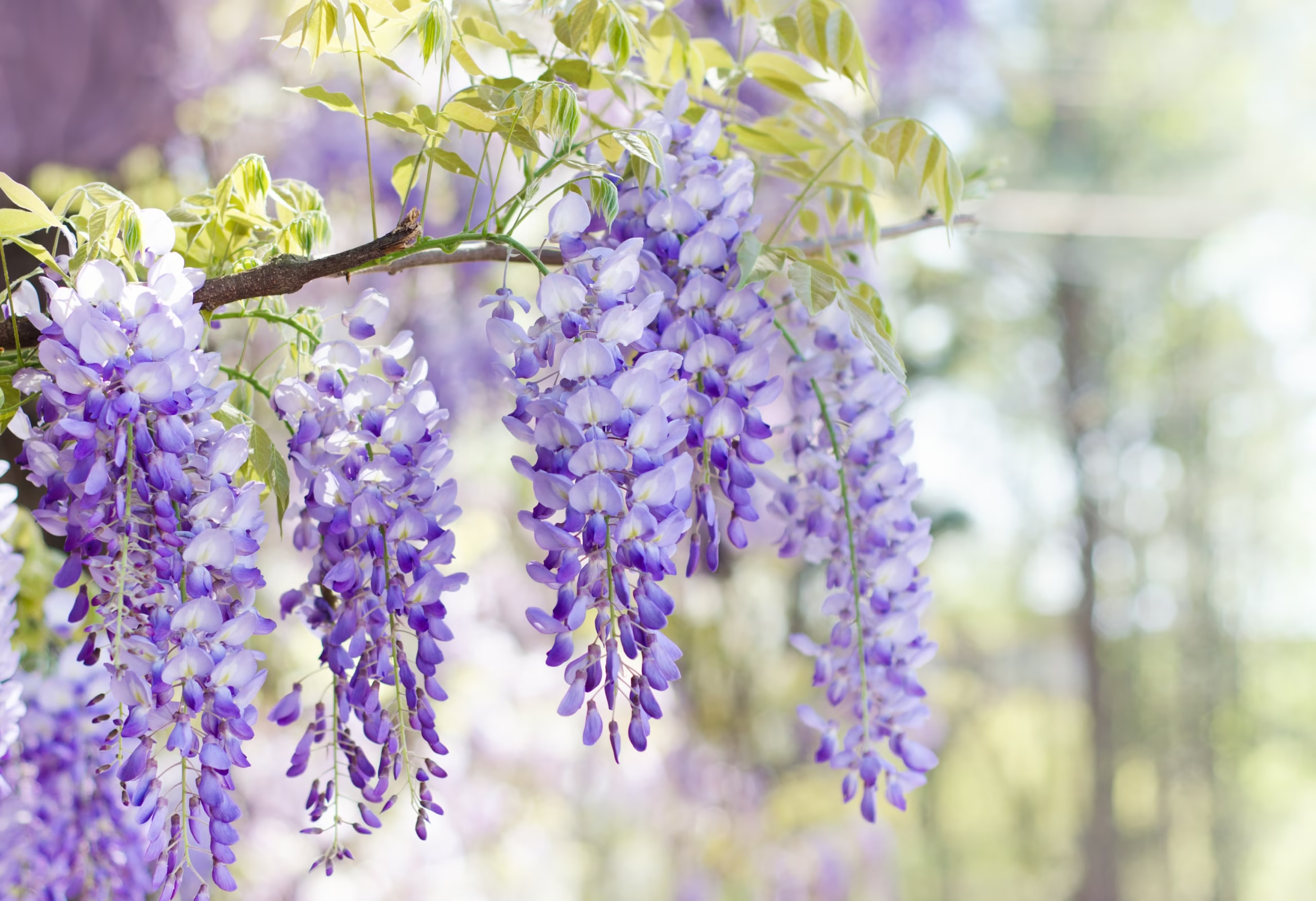
The Wisteria Flower is one of the most breathtaking and visually dramatic flowers in the world. Famous for its cascading clusters of purple, pink, blue, and white blossoms, wisteria symbolizes romance, wisdom, longevity, spirituality, and timeless beauty. With its waterfall-like appearance and enchanting fragrance, wisteria has fascinated poets, artists, spiritual traditions, and gardeners for centuries.
Unlike ordinary flowers that bloom individually, wisteria grows in hanging floral streams that transform entire landscapes into dreamlike scenes. Its elegant appearance combined with remarkable longevity makes it one of the most admired ornamental flowering plants in human history.
In this complete deep guide, we explore the history, symbolism, biology, psychology, spiritual meaning, cultural importance, and global fascination surrounding the Wisteria Flower.
What Is the Wisteria Flower?
The Wisteria Flower belongs to the genus Wisteria, a group of flowering climbing vines native mainly to East Asia and parts of North America.
Wisteria is famous for:
- Hanging floral clusters
- Fragrant blossoms
- Fast-growing vines
- Dramatic cascading appearance
- Long lifespan
The flowers commonly bloom in shades of:
- Purple
- Lavender
- Blue
- Pink
- White
Wisteria vines can grow to enormous sizes and are capable of covering pergolas, walls, bridges, and entire garden structures with dense floral curtains.
Ancient History of Wisteria
Wisteria has deep roots in Asian culture and artistic traditions.
Wisteria in Ancient Japan
Japan has one of the strongest historical connections to wisteria. The flower became a symbol of elegance, spirituality, humility, and love.
For centuries, Japanese nobles cultivated wisteria in temple gardens and aristocratic estates.
Wisteria appeared frequently in:
- Traditional paintings
- Kimono patterns
- Poetry
- Classical literature
- Garden architecture
Ancient Japanese gardens often used wisteria tunnels and trellises to create peaceful meditative spaces.
Wisteria in Chinese Culture
In Chinese traditions, wisteria symbolized:
- Honor
- Devotion
- Long-lasting relationships
- Spiritual harmony
Its flowing growth pattern was seen as a reflection of graceful movement and balanced natural energy.
Wisteria became associated with artistic refinement and emotional depth.
Wisteria Flower Symbolism
The Wisteria Flower carries powerful emotional and spiritual meanings across cultures.
Romance and Devotion
Wisteria is strongly associated with romantic beauty and lasting emotional connection.
Its hanging blossoms symbolize:
- Deep affection
- Emotional surrender
- Lasting love
- Trust and intimacy
Because the vines grow by intertwining around structures, wisteria often symbolizes strong emotional bonds and connection.
Longevity and Wisdom
Wisteria vines can survive for decades and sometimes over a century.
This longevity connects them with:
- Wisdom
- Endurance
- Legacy
- Spiritual maturity
Ancient wisteria plants often become treasured landmarks in historical gardens.
Beauty and Artistic Elegance
Few flowers create visual beauty as dramatically as wisteria.
Its flowing floral clusters symbolize:
- Grace
- Sophistication
- Artistic expression
- Dreamlike beauty
The flower’s cascading structure creates a sense of movement rarely found in plants.
Fascinating Biology of Wisteria
Wisteria is not only beautiful but also biologically impressive.
Rapid Growth
Wisteria is one of the fastest-growing flowering vines in the world.
Some species can grow several feet in a single season under proper conditions.
Their powerful climbing ability allows them to:
- Cover trees
- Climb buildings
- Form floral tunnels
- Transform landscapes
Cascading Flower Clusters
Wisteria blooms grow in hanging clusters called racemes.
These clusters can sometimes reach several feet in length, creating waterfall-like floral displays.
Fragrant Blossoms
Many wisteria species produce sweet fragrances that attract:
- Bees
- Butterflies
- Pollinating insects
Their scent is often strongest during warm spring afternoons.
Wisteria Colors and Their Meanings
Different wisteria colors carry different symbolic meanings.
Purple wisteria symbolizes spirituality, mystery, wisdom, and artistic beauty.
Blue wisteria represents calmness, peace, trust, and emotional balance.
Pink wisteria symbolizes romance, tenderness, femininity, and emotional warmth.
White wisteria represents purity, peace, honesty, and spiritual clarity.
Because of these soft flowing colors, wisteria creates feelings of calm elegance and emotional depth.
Wisteria Psychology and Human Attraction
Wisteria creates strong emotional reactions due to its dramatic visual structure.
Dreamlike Atmosphere
Wisteria-covered spaces often create feelings of:
- Escape
- Peacefulness
- Wonder
- Emotional calmness
Its hanging blooms naturally create immersive environments that feel magical and relaxing.
Visual Flow and Relaxation
Psychologists often note that flowing natural forms help reduce mental tension.
The cascading movement of wisteria flowers creates:
- Visual softness
- Emotional comfort
- Reduced stress
- Meditative calmness
This explains why wisteria gardens feel emotionally soothing.
Wisteria in Art and Architecture
Wisteria has inspired:
- Traditional Japanese art
- Garden architecture
- Luxury landscaping
- Fashion design
- Photography
- Romantic literature
Its flowing appearance makes it one of the most visually artistic flowers in nature.
Wisteria tunnels and floral canopies remain famous attractions in botanical gardens worldwide.
Spiritual Meaning of Wisteria
Wisteria holds deep spiritual symbolism in many traditions.
It often represents:
- Spiritual awakening
- Surrender to beauty
- Inner wisdom
- Harmony with nature
- Emotional healing
The flower’s downward-flowing blooms symbolize humility and graceful acceptance of life’s natural cycles.
Many meditation gardens include wisteria because of its peaceful visual energy.
Wisteria in Modern Landscaping
Wisteria remains one of the most desired ornamental climbing plants in the world.
It is popular because it creates:
- Dramatic floral displays
- Romantic garden environments
- Natural shade canopies
- Luxurious outdoor aesthetics
Wisteria is commonly used in:
- Luxury estates
- Botanical gardens
- Wedding venues
- Traditional Asian landscapes
When fully blooming, wisteria can completely transform outdoor spaces into living floral architecture.
Economic Importance of Wisteria
Wisteria contributes significantly to:
- Ornamental horticulture
- Landscaping industries
- Tourism attractions
- Luxury garden design
Famous wisteria gardens attract visitors from around the world during blooming seasons.
Its visual beauty makes it commercially valuable in photography, tourism, and event industries.
Basic Wisteria Care
Wisteria thrives in sunny outdoor environments.
Most wisteria plants require:
- Full sunlight
- Strong support structures
- Well-drained soil
- Regular pruning
Because of their rapid growth, wisteria vines require maintenance to control their size and shape.
With proper care, they can bloom beautifully for generations.
Why Wisteria Continues to Fascinate Humanity
The Wisteria Flower represents romance, wisdom, artistic beauty, and spiritual elegance in a way few flowers can achieve.
From ancient Asian gardens to modern luxury landscapes, wisteria continues to symbolize emotional depth and timeless natural beauty.
Its cascading blossoms, enchanting fragrance, and dreamlike appearance ensure that wisteria remains one of the most mesmerizing flowers in the world.