The Lilac Flower is one of the most beloved spring flowers in the world. Famous for its soft purple blooms, enchanting fragrance, and romantic appearance, lilacs symbolize youthful love, emotional renewal, spirituality, and the beauty of fleeting moments. For centuries, lilacs have inspired poets, artists, gardeners, and spiritual traditions with their delicate charm and calming presence.
Unlike bold tropical flowers, lilacs possess a quiet elegance that feels nostalgic, peaceful, and emotionally comforting. Their clusters of tiny blossoms create soft clouds of color that transform gardens into dreamlike landscapes during springtime.
In this complete deep guide, we explore the history, symbolism, biology, psychology, spiritual meaning, cultural importance, and timeless fascination surrounding the Lilac Flower.
What Is the Lilac Flower?
The Lilac Flower belongs to the genus Syringa, a group of flowering shrubs and small trees native mainly to Europe and Asia.
Lilacs are famous for:
- Fragrant flower clusters
- Soft pastel colors
- Heart-shaped leaves
- Spring blooming
- Romantic garden appearance
Lilac flowers commonly bloom in shades of:
- Purple
- Lavender
- White
- Pink
- Blue-toned violet
Their sweet fragrance is one of the most recognizable floral scents in the world.
Lilacs bloom mainly during spring, making them powerful symbols of seasonal renewal and emotional awakening.
Ancient History of Lilacs
Lilacs have a rich cultural history connected with beauty, love, and memory.
Lilacs in Ancient Greece
Greek mythology connected lilacs with the story of Syringa, a woodland nymph associated with beauty and nature.
According to legend, Syringa transformed into a flowering shrub to escape unwanted attention, and the lilac plant became associated with mystery, innocence, and emotional sensitivity.
This myth gave the flower both romantic and spiritual symbolism.
Lilacs in European Culture
Lilacs became highly admired throughout Europe during the Renaissance and Victorian periods.
They were commonly planted near:
- Countryside homes
- Monasteries
- Royal gardens
- Historic estates
In Victorian flower language, lilacs symbolized:
- First love
- Youthful emotions
- Romantic memories
- Emotional nostalgia
Their short blooming season made them symbols of beauty that cannot last forever.
Lilac Flower Symbolism
The Lilac Flower carries deep emotional and spiritual meanings.
First Love and Innocence
Lilacs are strongly associated with young romance and emotional purity.
They symbolize:
- First love
- Innocent emotions
- Romantic beginnings
- Emotional openness
Because lilacs bloom early in spring, they represent emotional awakening after emotional coldness or silence.
Renewal and New Beginnings
Lilacs bloom after winter fades, making them symbols of:
- Fresh starts
- Hope
- Rebirth
- Emotional healing
Their arrival signals the transition into warmer, brighter seasons.
Memory and Nostalgia
Lilacs are often connected with memory because their fragrance strongly triggers emotional associations.
They symbolize:
- Reflection
- Sentimental beauty
- Longing
- Precious moments
Many people associate lilac scents with childhood, old gardens, or meaningful emotional experiences.
Fascinating Biology of Lilacs
Lilacs are biologically impressive flowering shrubs.
Dense Flower Clusters
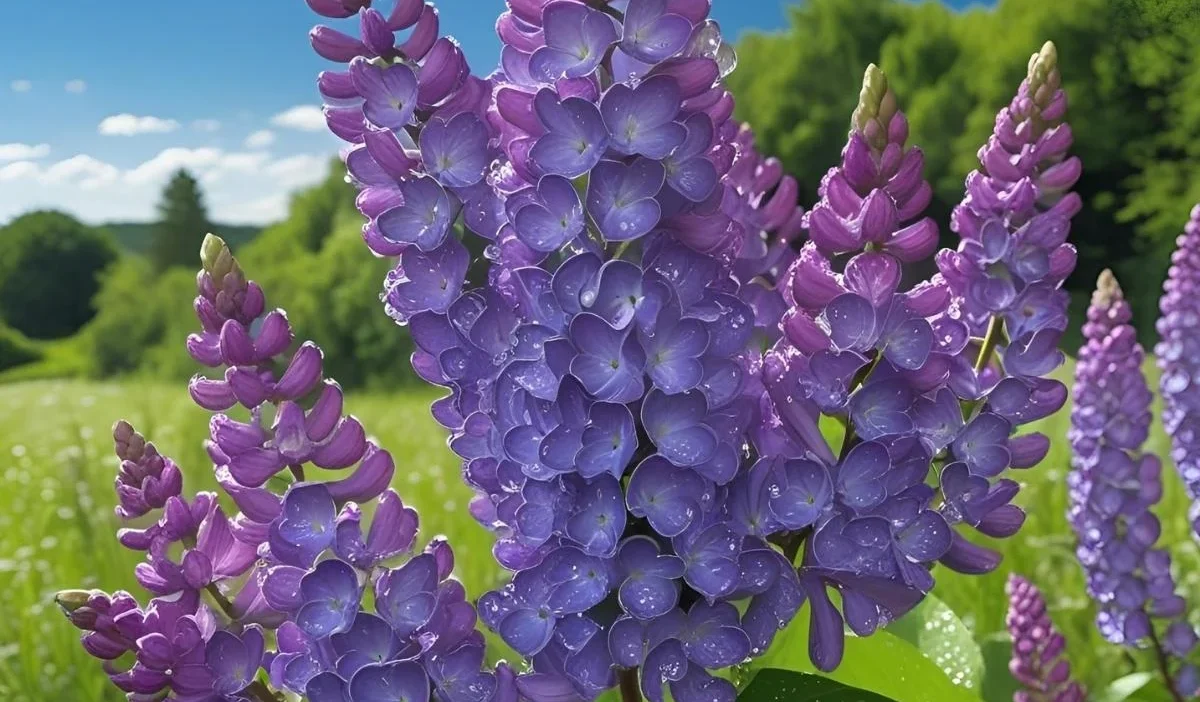
Lilac flowers grow in large cone-shaped clusters made of hundreds of tiny blossoms.
This creates:
- Rich visual texture
- Strong fragrance concentration
- Soft cloud-like floral displays
Powerful Fragrance
Lilacs produce one of the strongest natural spring fragrances.
Their scent is often described as:
- Sweet
- Powdery
- Fresh
- Romantic
- Softly spicy
The fragrance helps attract pollinators like butterflies and bees.
Cold Climate Adaptation
Unlike tropical flowers, lilacs thrive in cooler climates and require cold winters for healthy blooming.
This adaptation makes them symbols of resilience and seasonal transformation.
Lilac Colors and Their Meanings
Different lilac colors carry unique emotional symbolism.
Purple lilacs symbolize spirituality, mystery, romance, and emotional depth.
White lilacs represent purity, innocence, peace, and youthful beauty.
Pink lilacs symbolize affection, friendship, femininity, and emotional warmth.
Blue-toned lilacs represent calmness, serenity, and imagination.
Because lilacs bloom in soft pastel shades, they create emotional calmness and gentle beauty.
Lilac Psychology and Human Attraction
Lilacs create strong emotional reactions because of their fragrance and soft appearance.
Emotional Comfort
Lilac gardens often create feelings of:
- Nostalgia
- Peacefulness
- Emotional warmth
- Relaxation
Their fragrance can strongly influence mood and memory, making lilacs emotionally powerful flowers.
Soft Visual Energy
Unlike dramatic flowers with sharp contrasts, lilacs create visual softness and harmony.
Psychologists often associate pastel colors with:
- Reduced stress
- Calm emotions
- Comfort
- Gentle happiness
This explains why lilacs feel emotionally soothing and timeless.
Lilacs in Literature and Art
Lilacs have inspired:
- Romantic poetry
- Classical paintings
- Garden photography
- Literature
- Vintage art
Writers frequently use lilacs as symbols of memory, emotional longing, and fleeting beauty.
Their spring blooming season naturally connects them with themes of renewal and temporary happiness.
Spiritual Meaning of Lilacs
Lilacs hold spiritual symbolism connected with emotional healing and inner peace.
They often symbolize:
- Spiritual renewal
- Emotional clarity
- Peaceful energy
- Heart-centered emotions
- Gentle transformation
Purple lilacs are especially associated with spiritual wisdom and intuitive energy.
Their soft fragrance and calming appearance make them popular in meditation gardens and healing spaces.
Lilacs in Modern Landscaping
Lilacs remain among the world’s most admired ornamental shrubs.
They are valued because they provide:
- Spectacular spring blooms
- Strong fragrance
- Romantic garden aesthetics
- Pollinator attraction
Lilacs are commonly planted in:
- Cottage gardens
- Luxury landscapes
- Historic estates
- Botanical gardens
Their nostalgic beauty makes them favorites in traditional garden design.
Economic Importance of Lilacs
Lilacs contribute significantly to:
- Ornamental horticulture
- Floral tourism
- Perfume industries
- Landscape design
Lilac festivals around the world attract thousands of visitors during blooming seasons.
Their fragrance also influences luxury candle and perfume industries.
Basic Lilac Care
Lilacs thrive best in cooler climates with seasonal winters.
Most lilacs require:
- Full sunlight
- Well-drained soil
- Moderate watering
- Regular pruning after blooming
With proper care, lilac shrubs can survive for decades and bloom beautifully every spring.
Why Lilacs Continue to Fascinate Humanity
The Lilac Flower represents romance, memory, emotional renewal, and peaceful beauty in a way few flowers can achieve.
From ancient mythology to modern spring gardens, lilacs continue to symbolize the emotional magic of new beginnings and cherished memories.
Their soft blooms, unforgettable fragrance, and nostalgic symbolism ensure that lilacs remain among the most emotionally beloved flowers in the world.