The Hibiscus Flower is one of the most vibrant and culturally celebrated flowers in the world. Known for its large colorful petals, tropical beauty, and powerful symbolism, hibiscus flowers represent passion, femininity, energy, beauty, and spiritual vitality. From ancient herbal traditions to modern tropical landscapes, hibiscus flowers have fascinated civilizations for centuries.
Unlike delicate seasonal flowers, hibiscus blooms radiate boldness and life. Their dramatic appearance, striking colors, and exotic structure make them symbols of confidence, warmth, and natural power. Today, hibiscus flowers are admired not only for their beauty but also for their importance in wellness culture, spiritual traditions, herbal practices, and luxury tropical aesthetics.
In this complete deep guide, we explore the history, symbolism, biology, psychology, spiritual meaning, cultural importance, and global fascination surrounding the Hibiscus Flower.
What Is the Hibiscus Flower?
The Hibiscus Flower belongs to the genus Hibiscus, a group of flowering plants in the mallow family. There are hundreds of hibiscus species found mainly in tropical and subtropical regions around the world.
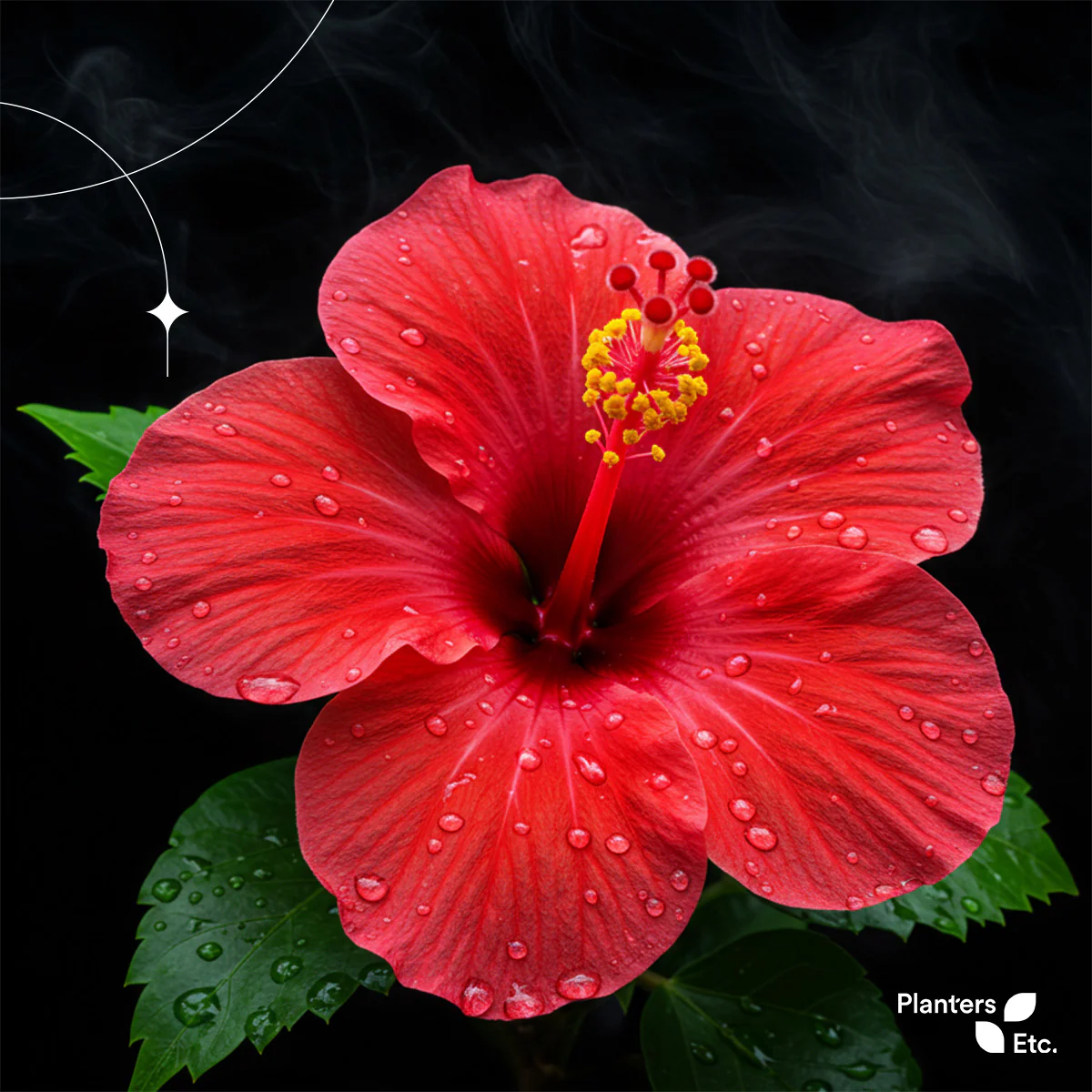
Hibiscus flowers are famous for:
- Large trumpet-shaped blooms
- Vibrant tropical colors
- Prominent central stamens
- Fast blooming cycles
- Exotic appearance
These flowers bloom in shades of:
- Red
- Pink
- Yellow
- Orange
- White
- Purple
Many hibiscus flowers bloom for only one or two days, but the plant continuously produces new blossoms during flowering seasons.
Ancient History of Hibiscus
Hibiscus flowers have deep historical connections with tropical civilizations and ancient healing traditions.
Hibiscus in Ancient Egypt
Ancient Egyptians used hibiscus in herbal drinks and cooling teas. Hibiscus beverages were especially valued in hot climates because of their refreshing qualities.
The flower became associated with:
- Vitality
- Cooling energy
- Celebration
- Royal hospitality
Even today, hibiscus tea remains popular in many Middle Eastern and African cultures.
Hibiscus in Hawaiian Culture
In Hawaii, hibiscus flowers became symbols of island beauty, hospitality, and feminine grace.
Hibiscus flowers are commonly worn:
- Behind the ear
- In ceremonial leis
- During cultural festivals
- In traditional dances
The flower became deeply connected with tropical identity and relaxed island living.
Hibiscus in Asian Traditions
In many Asian cultures, hibiscus symbolizes fame, glory, beauty, and youthful energy.
Certain spiritual traditions also associate hibiscus flowers with divine feminine power and sacred rituals.
Hibiscus Flower Symbolism
The Hibiscus Flower carries powerful meanings across cultures.
Beauty and Femininity
Because of their soft dramatic petals, hibiscus flowers strongly symbolize:
- Feminine beauty
- Confidence
- Attraction
- Grace
Their tropical appearance creates feelings of warmth and emotional openness.
Passion and Energy
Bright red and orange hibiscus flowers symbolize:
- Passion
- Life force
- Emotional intensity
- Creative energy
Their bold colors naturally attract attention and symbolize vibrant living.
Delicate Life and Presence
Because many hibiscus blooms last only a short time, they also symbolize:
- Living in the present
- Temporary beauty
- Fragility of life
- Appreciation of moments
This symbolism gives hibiscus flowers emotional depth beyond their visual beauty.
Fascinating Biology of Hibiscus
Hibiscus flowers are biologically unique and visually striking.
Giant Bloom Structure
Many hibiscus species produce very large blooms with wide open petals designed to attract pollinators.
Their dramatic shape allows easy access for:
- Bees
- Butterflies
- Hummingbirds
Prominent Stamens
One of the most recognizable features of hibiscus flowers is the long central stamen extending outward from the bloom.
This adaptation helps maximize pollination efficiency.
Rapid Blooming Cycle
Many hibiscus flowers bloom quickly and fade within days.
However, healthy plants continuously produce new flowers, creating long-lasting tropical displays.
Hibiscus Colors and Their Meanings
Different hibiscus colors carry different symbolic meanings.
Red hibiscus symbolizes passion, strength, love, and confidence.
Pink hibiscus represents femininity, romance, kindness, and emotional beauty.
Yellow hibiscus symbolizes happiness, positivity, friendship, and sunshine.
White hibiscus represents purity, peace, spirituality, and emotional clarity.
Purple hibiscus symbolizes mystery, creativity, wisdom, and uniqueness.
Because hibiscus flowers bloom in bold tropical shades, they are associated with emotional vibrancy and energy.
Hibiscus Psychology and Human Attraction
Hibiscus flowers create strong emotional reactions because of their size, color intensity, and tropical appearance.
Emotional Energy
Bright hibiscus colors naturally stimulate feelings of:
- Excitement
- Warmth
- Joy
- Optimism
Psychologists often associate vibrant floral colors with increased emotional activity and positive mood enhancement.
Tropical Relaxation
Hibiscus flowers are strongly connected with tropical environments, which psychologically create feelings of:
- Freedom
- Relaxation
- Vacation energy
- Escape from stress
This connection explains why hibiscus imagery is widely used in resorts and wellness branding.
Hibiscus in Herbal Traditions
Hibiscus flowers have been used in traditional wellness practices for centuries.
Hibiscus tea became especially popular because of its refreshing taste and vibrant red color.
Traditional cultures often associated hibiscus with:
- Cooling energy
- Natural vitality
- Wellness rituals
- Herbal nourishment
Today, hibiscus remains one of the most widely consumed floral teas worldwide.
Spiritual Meaning of Hibiscus
Many spiritual traditions connect hibiscus flowers with emotional openness and sacred feminine energy.
Hibiscus flowers often symbolize:
- Spiritual passion
- Heart-centered living
- Creative energy
- Beauty of existence
- Emotional awakening
Red hibiscus flowers are especially associated with power and divine feminine symbolism in some traditions.
Their vibrant blooming style represents living fully and fearlessly.
Hibiscus in Modern Fashion and Design
Hibiscus flowers heavily influence:
- Tropical fashion
- Beachwear designs
- Vacation branding
- Resort interiors
- Summer aesthetics
Their instantly recognizable shape makes them symbols of tropical luxury and energetic beauty.
Hibiscus prints remain iconic in global fashion culture.
Economic Importance of Hibiscus
Hibiscus contributes significantly to:
- Herbal tea industries
- Ornamental horticulture
- Tropical landscaping
- Cosmetic products
- Decorative floral markets
Countries across Asia, Africa, and tropical regions cultivate hibiscus commercially for both ornamental and herbal purposes.
Basic Hibiscus Care
Hibiscus plants thrive in warm climates and sunny environments.
Most hibiscus plants require:
- Full sunlight
- Warm temperatures
- Regular watering
- Well-drained soil
With proper care, hibiscus plants bloom continuously during warm seasons.
Why Hibiscus Flowers Continue to Fascinate Humanity
The Hibiscus Flower represents beauty, tropical energy, emotional passion, and vibrant living. Few flowers combine dramatic visual impact with such deep cultural and spiritual symbolism.
From ancient herbal traditions to modern tropical aesthetics, hibiscus flowers continue to symbolize warmth, confidence, vitality, and the celebration of life.
Their bold petals, rich colors, and emotional symbolism ensure that hibiscus flowers remain among the most beloved flowers in the world.