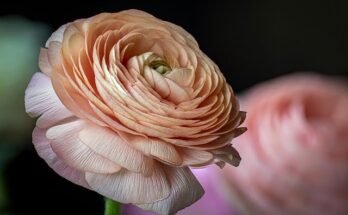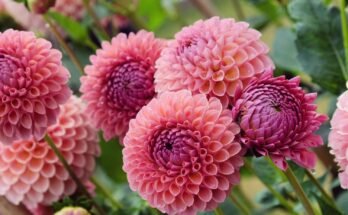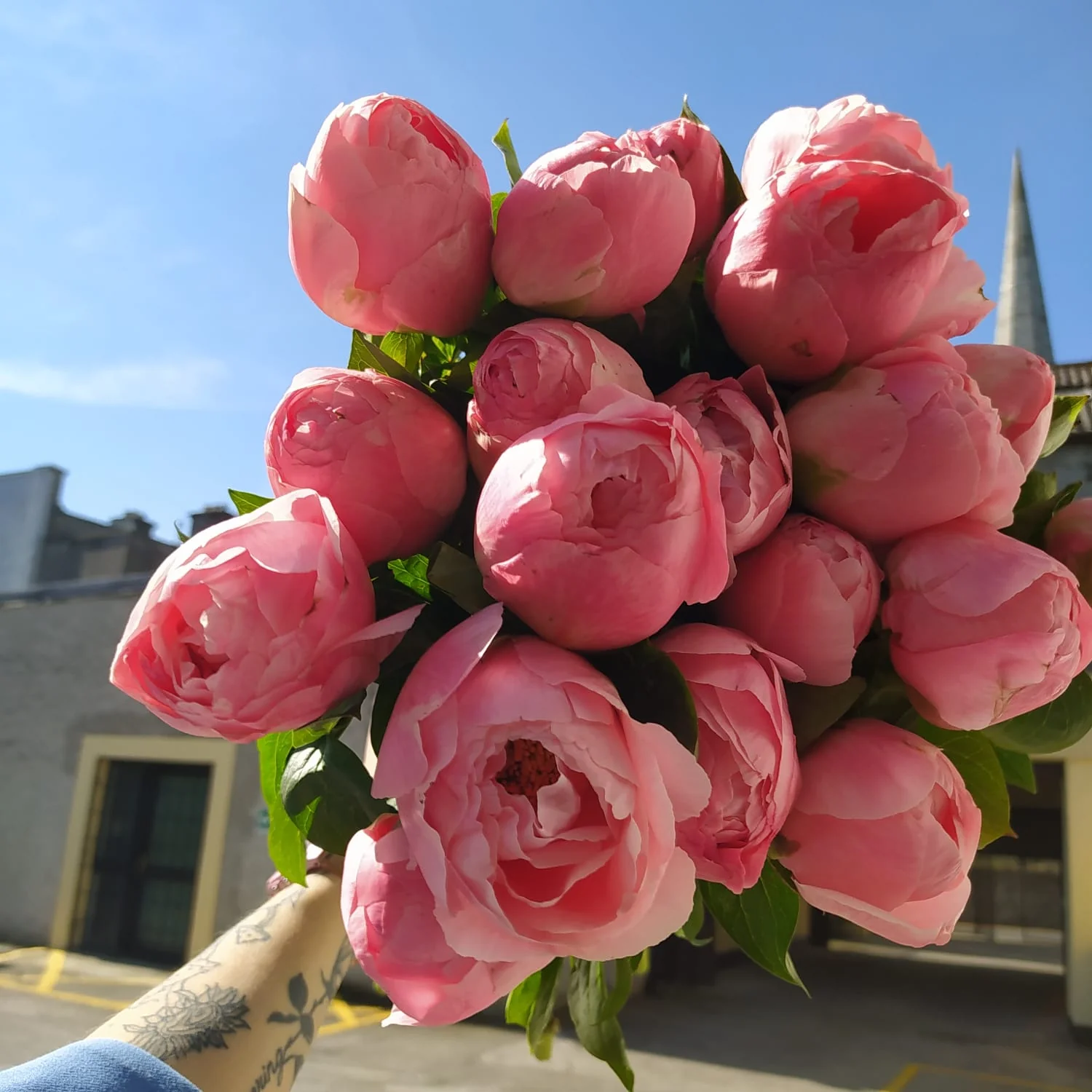
The Peony Flower is one of the most luxurious and historically celebrated flowers in the world. Known for its massive layered petals, rich fragrance, and royal appearance, the peony has symbolized wealth, romance, prosperity, and honor for centuries. From ancient Chinese empires to modern luxury weddings, peonies continue to represent elegance, emotional beauty, and timeless sophistication.
Unlike ordinary flowers, peonies possess a rare combination of visual grandeur and cultural importance. Their soft petals, dramatic bloom size, and seasonal rarity have made them one of the most admired ornamental flowers in human history. Today, peonies dominate luxury floral design, high-end gardens, wedding aesthetics, and premium lifestyle culture.
In this complete deep guide, we explore the history, symbolism, biology, psychology, cultural significance, and global fascination surrounding the Peony Flower.
What Is the Peony Flower?
The Peony Flower belongs to the genus Paeonia and is famous for its large, luxurious blooms and rich fragrance. Peonies are native mainly to Asia, Europe, and parts of North America.
These flowers are especially admired for:
- Dense layered petals
- Large bloom size
- Elegant fragrance
- Long lifespan
- Vibrant colors
Peonies bloom during late spring and early summer, making their flowering season relatively short. This limited blooming period increases their exclusivity and emotional value.
Many peony plants can survive for decades, and some are known to bloom for over 100 years under proper care.
Ancient History of Peonies
Peonies have a deep historical connection with royalty, medicine, and cultural prestige.
Peonies in Ancient China
China is considered the spiritual home of the peony. For over 2,000 years, peonies were cultivated in imperial gardens and associated with wealth, nobility, and national beauty.
During the Tang Dynasty, peonies became symbols of:
- Royal power
- Prosperity
- Feminine beauty
- Honor and success
Chinese emperors admired peonies so deeply that they became known as the “King of Flowers.”
Peonies were often featured in:
- Ancient paintings
- Palace gardens
- Poetry
- Traditional silk art
Even today, the peony remains one of China’s most respected floral symbols.
Peonies in Ancient Greece
The name “Peony” comes from Greek mythology. According to legend, a healer named Paeon used the flower’s medicinal properties to heal gods.
This myth connected peonies with:
- Healing
- Protection
- Divine beauty
- Spiritual power
Ancient civilizations also believed peonies could protect against evil spirits and negative energy.
Peony Flower Symbolism
The Peony Flower carries rich symbolic meanings across cultures.
Wealth and Prosperity
Because of their luxurious appearance, peonies became symbols of financial success and abundance.
In many Asian traditions, peonies are believed to attract:
- Prosperity
- Good fortune
- Happiness
- Social success
This is why peony imagery is commonly used in luxury decor and celebrations.
Romance and Love
Peonies are strongly connected with romance and emotional beauty. Their soft layered petals symbolize affection, passion, and emotional depth.
They are especially associated with:
- Romantic relationships
- Marriage
- Emotional healing
- Devotion
Peonies are among the most popular luxury wedding flowers worldwide.
Honor and Prestige
Historically, peonies represented high social status and elite culture. Their dramatic blooms naturally create feelings of elegance and sophistication.
Fascinating Biology of Peonies
Peonies are biologically fascinating plants with remarkable longevity and flowering behavior.
Massive Blooms
Peonies produce some of the largest blooms among ornamental flowers. Certain varieties can reach nearly 10 inches in diameter.
Their layered petal formations create a soft cloud-like appearance that makes them visually unforgettable.
Seasonal Flowering
Unlike flowers that bloom continuously, peonies bloom for a short period each year.
This temporary blooming cycle increases their emotional and visual impact because their beauty feels rare and fleeting.
Longevity
Peony plants are famous for their lifespan. Some garden peonies survive for generations and continue blooming annually for decades.
This longevity contributes to their symbolism of lasting love and enduring prosperity.
Peony Colors and Their Meanings
Different peony colors carry different emotional and cultural meanings.
Pink peonies symbolize romance, femininity, compassion, and emotional beauty.
White peonies represent purity, peace, elegance, and apology.
Red peonies symbolize passion, honor, prosperity, and strength.
Yellow peonies are associated with happiness, positivity, friendship, and optimism.
Purple peonies represent royalty, luxury, mystery, and spiritual beauty.
Because of these meanings, peonies are widely used in emotional and ceremonial occasions.
Peony Psychology and Human Attraction
Peonies create powerful emotional reactions due to their visual softness and luxurious structure.
Emotional Comfort
The rounded layered petals create feelings of:
- Warmth
- Calmness
- Emotional safety
- Soft beauty
Psychologists often note that humans respond positively to rounded natural forms because they feel less threatening and more comforting.
Luxury Perception
Peonies are strongly associated with wealth and exclusivity. Their seasonal rarity and premium price increase their luxury appeal.
This is why peonies are common in:
- Luxury weddings
- Designer floral arrangements
- Premium fashion campaigns
- Elite event decoration
Peonies in Art and Fashion
Throughout history, peonies have inspired:
- Traditional paintings
- Fashion embroidery
- Luxury perfume branding
- Fine art
- Interior decoration
Their dramatic structure makes them symbols of artistic elegance and visual richness.
Luxury brands frequently use peony imagery to communicate femininity, softness, and prestige.
Peonies in Modern Wedding Culture
Peonies are among the most desired wedding flowers in the world.
They symbolize:
- Happy marriage
- Romance
- Prosperity
- Emotional harmony
Brides often prefer peonies because of their:
- Soft romantic appearance
- Elegant fragrance
- Large luxurious blooms
- Premium aesthetic
Pink and white peonies dominate luxury wedding floral design.
Spiritual Meaning of Peonies
Many spiritual traditions connect peonies with emotional healing and abundance.
Peonies often symbolize:
- Positive energy
- Heart-centered emotions
- Compassion
- Inner peace
- Spiritual prosperity
Their soft blooming patterns create calming visual energy in meditation and wellness spaces.
Economic Importance of Peonies
The peony industry generates massive global demand through:
- Luxury floral markets
- Wedding industries
- Gardening industries
- Perfume production
- Decorative exports
Countries such as China, Japan, the Netherlands, and the United States are major producers of peonies.
Rare peony varieties can sell at premium prices due to limited seasonal availability.
Basic Peony Care
Although peonies appear luxurious, they are relatively durable plants.
Most peonies require:
- Full sunlight
- Well-drained soil
- Moderate watering
- Cool winter conditions
Once established, peonies can thrive for many years with minimal maintenance.
Why Peonies Continue to Fascinate Humanity
The Peony Flower represents beauty, prosperity, romance, elegance, and emotional richness in a way few flowers can achieve.
From ancient imperial gardens to modern luxury weddings, peonies continue to symbolize refinement and timeless beauty.
Their massive blooms, historical prestige, and emotional symbolism make peonies one of the most admired flowers in the world.