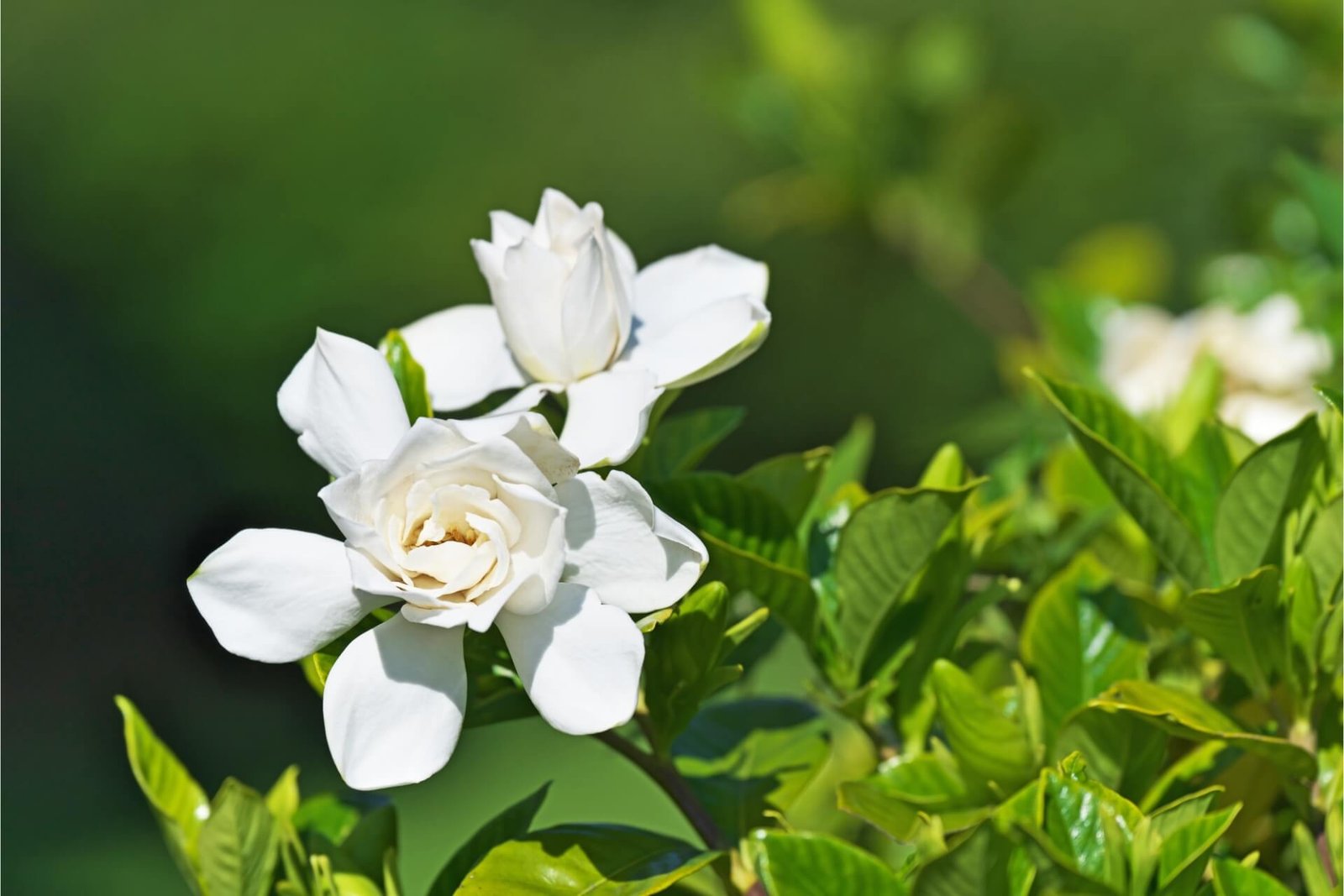
The gardenia flower is one of the most intensely fragrant and emotionally luxurious flowers in the world because it combines creamy white petals with a rich perfume-like aroma that has made it a symbol of elegance, romance, and refinement across many cultures, and unlike brightly colored flowers that depend heavily on visual attraction, gardenias rely primarily on scent chemistry and soft visual beauty, making them especially important in perfume industries, luxury gardens, aromatherapy, and emotional symbolism where fragrance plays a central role in human experience and memory.
🌿 Botanical Structure and Scientific Design of Gardenia
Gardenias belong to the genus Gardenia in the coffee family Rubiaceae, and they are evergreen shrubs known for glossy dark green leaves and waxy white flowers that bloom in warm, humid climates, and what makes gardenias biologically interesting is their thick petal structure and highly concentrated aromatic glands that release strong volatile compounds into the air, while their evergreen foliage allows continuous photosynthesis throughout the year, supporting repeated flowering cycles and long-term plant survival in tropical and subtropical environments.
🌸 Why Gardenias Smell So Strong
The powerful fragrance of gardenias is created by complex aromatic compounds such as linalool, methyl benzoate, and jasmonates, which are released from microscopic cells within the petals, and these volatile molecules travel easily through warm humid air, making the scent noticeable even from long distances, while the fragrance becomes strongest during evening and nighttime conditions because cooler air slows fragrance dispersion and allows scent molecules to remain concentrated around the flower, helping attract pollinators such as moths and beetles more efficiently.
🧪 Perfume Industry and Fragrance Chemistry of Gardenia
Gardenia fragrance is considered one of the most luxurious floral scents in perfumery because it combines creamy sweetness with fresh green undertones, creating a rich and emotionally comforting aroma profile, and although extracting true natural gardenia oil is extremely difficult due to delicate flower chemistry, perfume manufacturers often recreate the scent using combinations of natural and synthetic aromatic compounds, making gardenia-inspired fragrances highly valuable in luxury perfumes, candles, skincare products, and spa treatments worldwide.
🌱 Life Cycle and Growth Pattern of Gardenia Plants
The life cycle of gardenia begins with seed germination or vegetative propagation through cuttings, and once established the shrub develops slowly with dense evergreen foliage and branching stems, while flowering occurs mainly during warm seasons when humidity and temperature conditions are favorable, and after blooming the flowers gradually fade while the plant redirects energy toward leaf growth and root strengthening, making gardenias long-living ornamental shrubs that require stable environmental conditions for healthy flowering.
🧠 Psychological and Emotional Impact of Gardenias
Gardenias have a strong psychological effect because fragrance is directly connected to the human limbic system, which controls memory and emotion, and the creamy floral aroma of gardenias is associated with calmness, intimacy, elegance, and emotional warmth, while the pure white petals symbolize peace and sophistication, making gardenias emotionally powerful flowers often used in weddings, romantic settings, luxury interiors, and wellness environments designed to create relaxation and emotional comfort.
🌍 Cultural and Symbolic Importance of Gardenias
Gardenias symbolize purity, trust, refinement, and secret admiration in many cultures, and historically they became associated with sophistication and high social status because of their use in luxury gardens and formal floral arrangements, while in some Asian cultures gardenias also represent spiritual peace and feminine grace, and throughout modern history the flower has remained strongly connected with romance and elegance in literature, fashion, and decorative arts.
🧪 Medicinal and Traditional Uses of Gardenia
Certain gardenia species have been used in traditional herbal medicine systems, especially in East Asia where extracts from fruits and flowers were believed to support relaxation, reduce inflammation, and improve circulation, while modern studies are investigating antioxidant compounds present in some species, although gardenias today are valued primarily for fragrance, ornamental beauty, and emotional impact rather than large-scale medicinal use.
🐝 Ecological Role of Gardenias in Nature
Gardenias support ecosystems by attracting pollinators through fragrance and nectar production, especially moths and insects active during evening hours, while their evergreen foliage also provides shelter for small organisms and contributes to garden biodiversity, making them ecologically beneficial ornamental shrubs in tropical and subtropical landscapes.
🌼 Conclusion
The gardenia flower represents one of the most refined combinations of fragrance chemistry, emotional psychology, and botanical elegance found in nature because it transforms simple white petals into a powerful sensory experience capable of influencing mood, memory, and atmosphere, and its deep connection with luxury perfumes, romance, and emotional calmness makes gardenia one of the most emotionally sophisticated flowers in the world.
❓ FAQ
1. Why are gardenias so fragrant?
Because they contain highly concentrated aromatic compounds released from their petals.
2. What do gardenias symbolize?
They symbolize purity, elegance, romance, and emotional warmth.
3. Are gardenias used in perfumes?
Yes, gardenia-inspired scents are highly valued in luxury perfumery.
4. Do gardenias bloom all year?
They mainly bloom during warm and humid seasons.
5. Are gardenias difficult to grow?
They require stable humidity, warmth, and slightly acidic soil conditions.